Building Cost Calculator
Pick a building type, enter a size, and choose a finish level. You'll get an honest cost range, not a single misleading number, built from the same data behind our cost-by-size articles.
Enter your building details above.
Estimate only, not a quote. Actual price depends on your region, site conditions, steel and lumber commodity pricing at the time you buy, and your exact specification.
Materials & tools you'll be buying
Amazon search links, at no extra cost to you. As an Amazon Associate we earn from qualifying purchases. No money comes from builders or kit sellers.
Ready to compare real numbers? See the full cost breakdown, sourced and cited, on the matching cost guide:
First, know which number you're holding
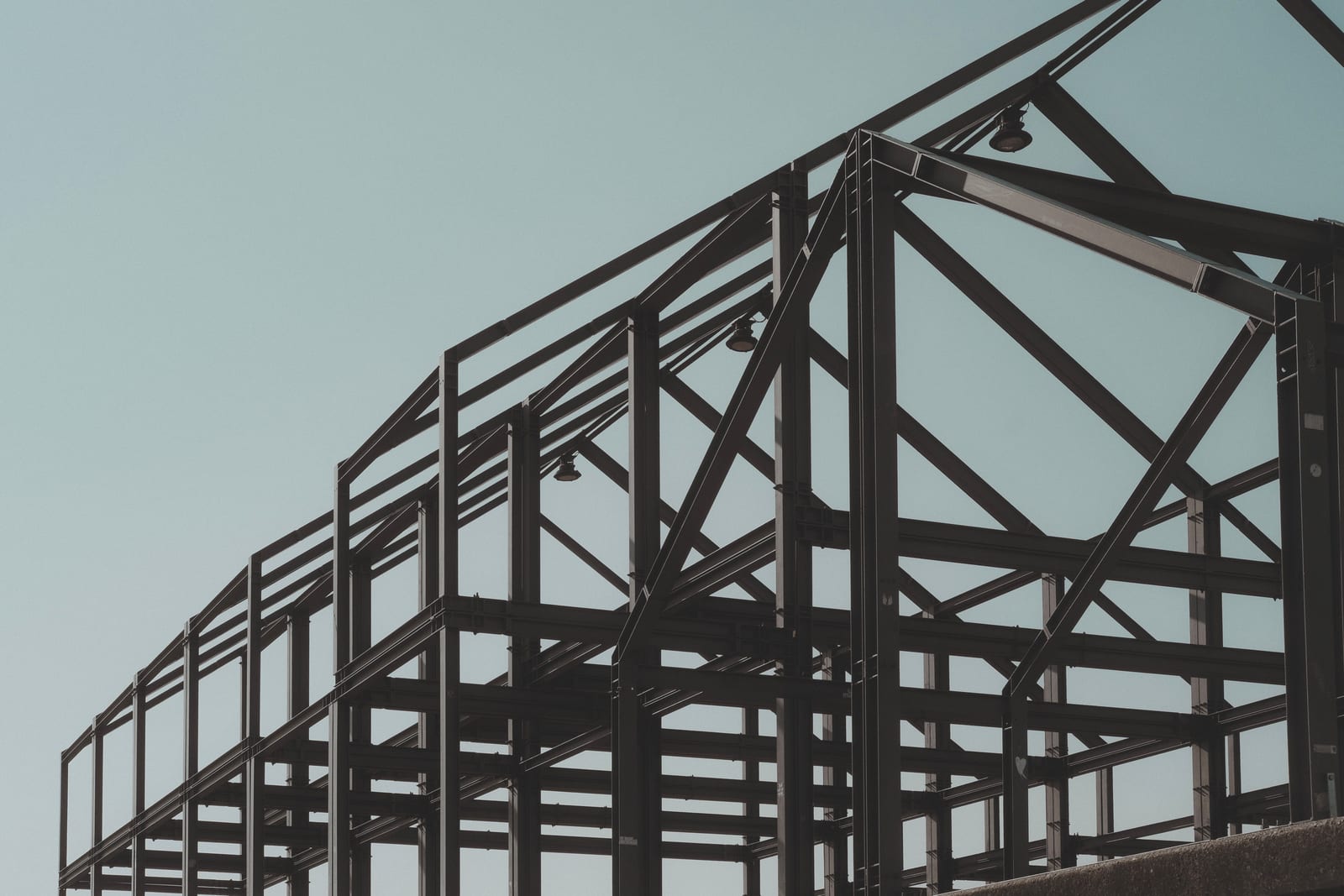
The single most useful thing the calculator tells you is the gap between two numbers, not either number on its own. A "shell" is the kit and its basic erection: posts or steel, roof, sheeting. A "turnkey" building is one you can actually use, insulated, wired, with a slab under it and doors that open. For the same footprint, turnkey routinely runs three to five times the shell price.
So when a builder quotes you a figure, the first question is which of these two it is. A quote that looks cheap next to your estimate is usually a shell; one that looks high is usually turnkey, or close to it. Line them up against the same column here before you decide one is a better deal than the other.
What actually moves your number
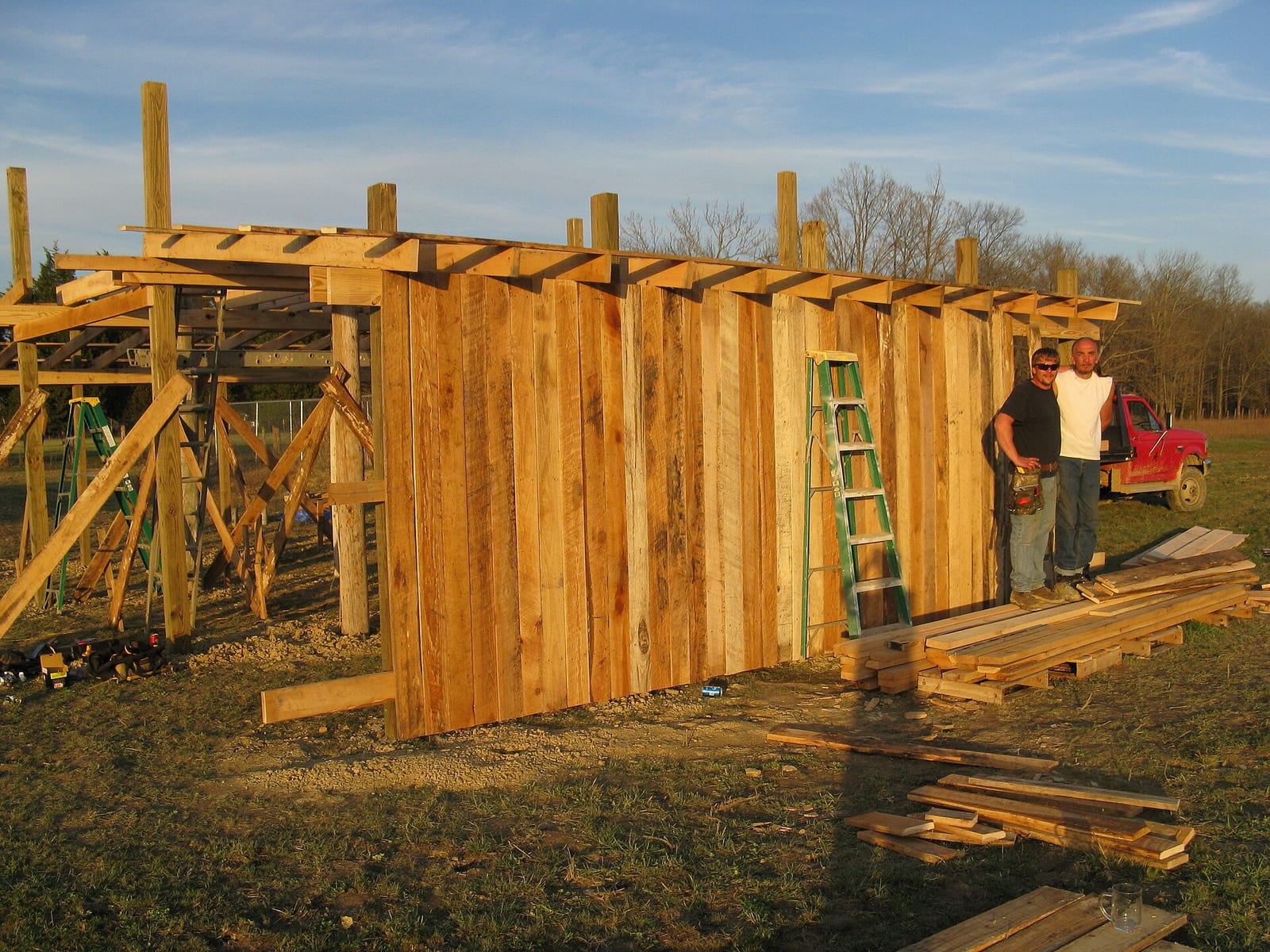
Four line items explain most of the spread between the low and high end of your estimate. Concrete is usually the largest of them: a finished slab can rival the frame itself, and it's the item most often quoted separately or left off entirely. Site work is the next ambush, grading, clearing, drainage and a driveway all happen before the first post goes in, and they can add several thousand to twenty thousand dollars depending on your land.
After that it's openings and finish. Every overhead door, window and walk door is a hole that has to be framed, headed and sealed, and big doors carry real cost. Insulation and wiring are what separate a cold shed from a shop you can work in year round, and both sit outside almost every shell price. If your estimate came in high, one of these four is usually why.
Why it's a range, and when to get a real quote
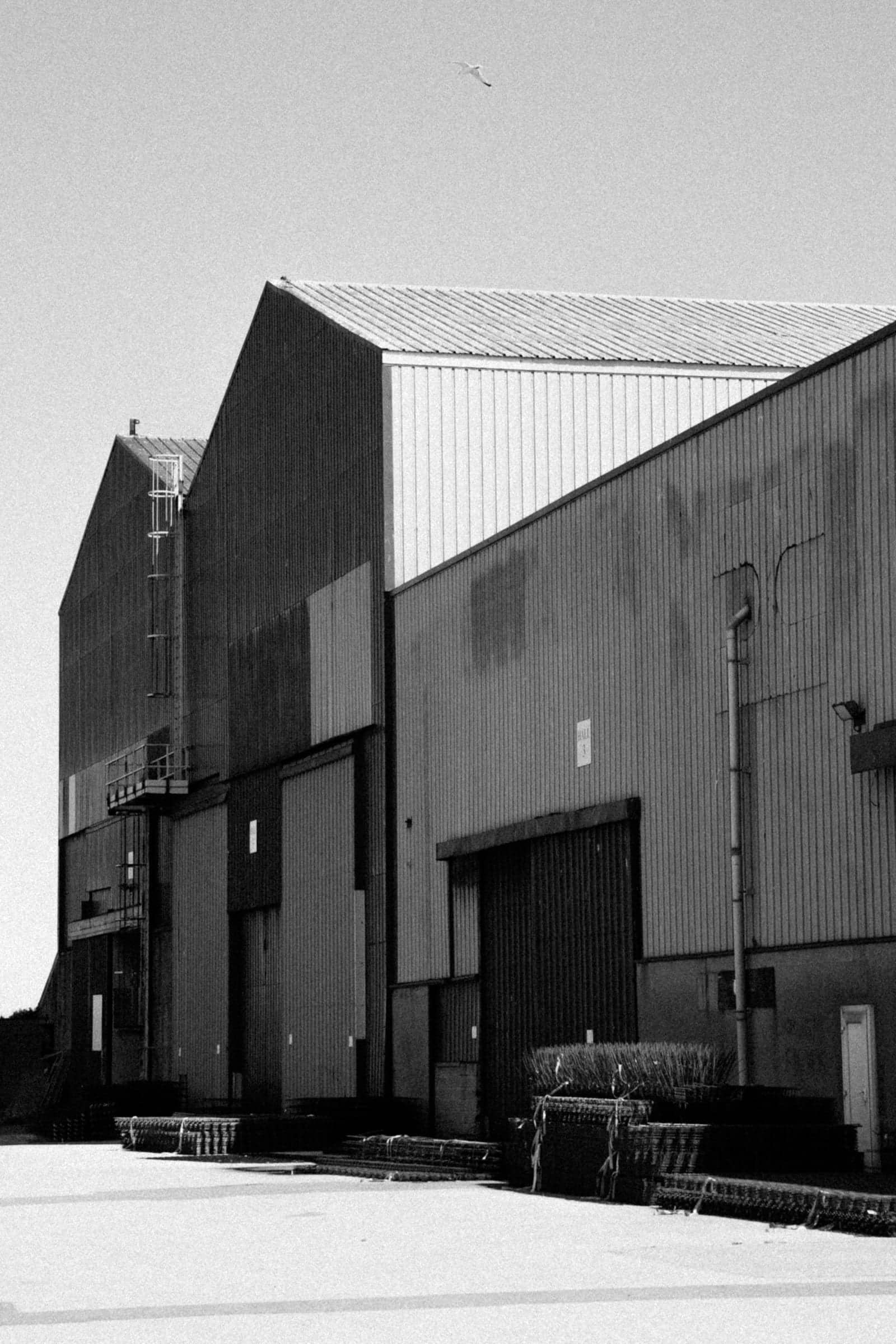
The calculator shows a range because building costs are a range. The same drawing costs meaningfully more in a high-cost labor market than a low one, steel and lumber are commodities that move month to month, and two builders can spec the same footprint very differently. The region setting adjusts for the first of those; the shell-to-turnkey split covers the second; your exact specification is the third, and only a builder standing on your land can price it.
Use this to walk into that conversation already knowing the ballpark, so a number that's wildly off in either direction is a flag to ask why. When you're ready for the detail behind your building type, each cost guide breaks the price out by size and by what's included, with every figure sourced.