Grain Bin Cost: 2026 Prices by Bushel Capacity
Grain bins cost $8,000 to $140,000 depending on bushel capacity and equipment. Real prices per bushel and why small bins cost more per bushel than big ones.
| Size | Sq ft | Shell / kit | Turnkey |
|---|---|---|---|
| 7,500 bushel | , | $8,000 – $15,000 | $18,000 – $28,000 |
| 15,000 bushel | , | $15,000 – $27,000 | $30,000 – $50,000 |
| 30,000 bushel | , | $27,000 – $48,000 | $54,000 – $90,000 |
| 50,000 bushel | , | $40,000 – $70,000 | $80,000 – $140,000 |
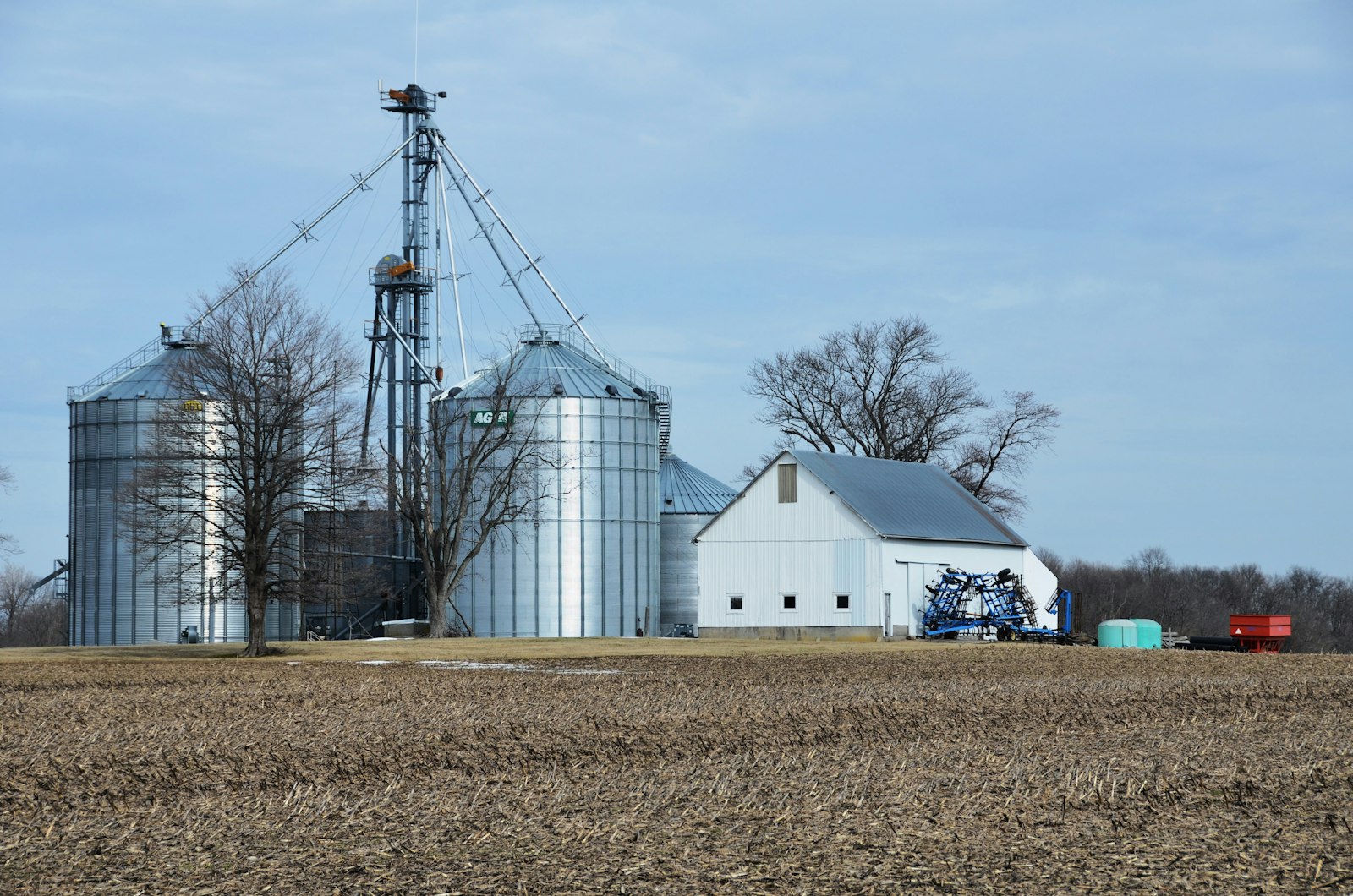
A grain bin costs $8,000 to $140,000 depending on bushel capacity and equipment, or a practical baseline of $2.00 to $4.50 per bushel for a standard flat-bottom bin with materials, pad, and erection. A complete system with aeration, moisture sensors, and unloading equipment runs higher per bushel than a bare bin with just a basic auger and vent.
Bin cost doesn’t scale in a straight line with size, which trips up a lot of first-time buyers comparing a small bin quote against a large one. A 7,500-bushel bin with basic equipment can cost more per bushel than a 40,000-bushel bin with the same equipment tier, because the fixed costs, concrete pad, base ring, roof structure, cost close to the same dollar amount regardless of diameter.
Grain bin cost by bushel capacity
The table above splits basic equipment (auger and vent only, the minimum needed to load, unload, and prevent moisture buildup) from a more complete setup (aeration fans, moisture cables or sensors, and a proper unloading system). Real farm-level quotes commonly cite $1.80 to $4.70 per bushel depending on where a specific bin falls on that spectrum, which is why two “grain bin cost” numbers you find online can look wildly different for what turns out to be a similar size.
Worth knowing if you’re comparing against an older number: per-bushel construction cost has climbed fast. Mississippi State University Extension’s fall 2024 survey of producers and industry contacts put new construction at $4.00 to $4.50 per bushel, up roughly 40 percent from a 2022 baseline of around $2.50 per bushel. If a quote you’re working from is more than a year or two old, or you’re anchored on a number a neighbor mentioned a few seasons back, expect the real 2026 price to run meaningfully higher.
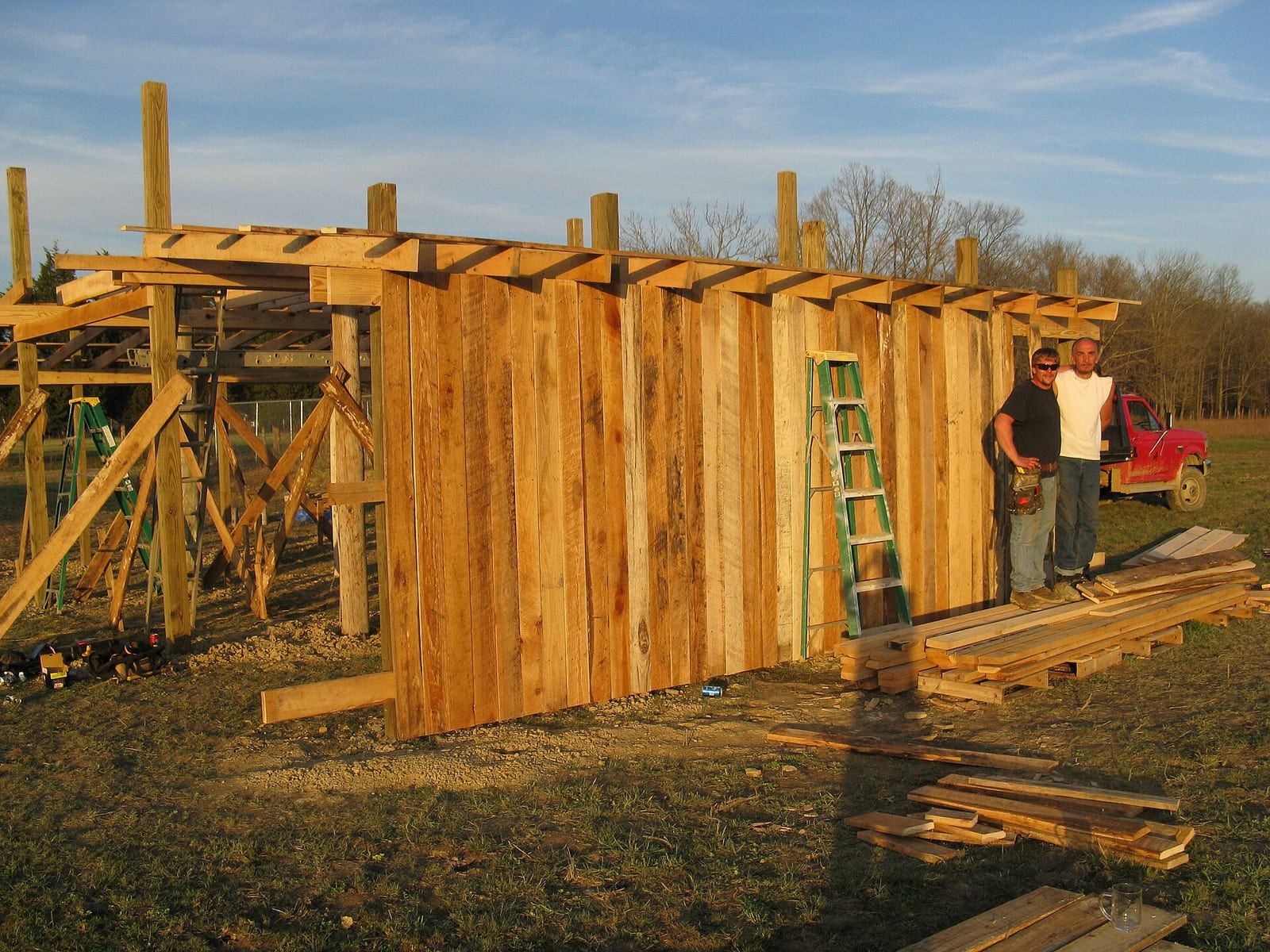
The concrete pad is not optional and is not cheap to skip. A bin without a proper reinforced pad settles unevenly over time, which stresses the bin walls and can shorten its working life considerably. Budget the pad as its own line item rather than assuming it’s baked into a bin seller’s headline price.
Aeration and moisture monitoring matter more than they might seem worth the added cost. Grain stored without adequate aeration is at real risk of spoilage, and a single spoiled bin of grain can cost more than the aeration system would have. This is the one upgrade on this page worth stretching the budget for if you’re choosing between a bare bin and a properly equipped one.
Financing a grain bin through USDA’s Farm Storage Facility Loan
Most grain bin cost pages quote a price and stop there, but a real share of on-farm storage gets built with help from USDA’s Farm Service Agency Farm Storage Facility Loan program, which covers new or used grain bins directly. Standard loans go up to $500,000 with a 15 percent down payment; a microloan option covers amounts up to $50,000 at just 5 percent down and waives the production-history documentation that trips up newer operations. Terms run 3 to 12 years, with 2026 rates from roughly 4.125 percent on the shortest term to 4.625 percent on the longest, comfortably below a lot of general-purpose ag equipment financing. It’s worth a call to your local FSA office before you finance a bin through a dealer’s in-house plan or a general operating line.
Permitting follows the same agricultural exemption pattern common across ag buildings: many counties waive the building permit for a qualifying structure on land in active agricultural use, typically five acres or more, though the exemption doesn’t waive the underlying structural code and the exact bar varies enough by county that it’s worth confirming with your local planning office before you break ground.
Is on-farm storage worth it, and how much do you actually need
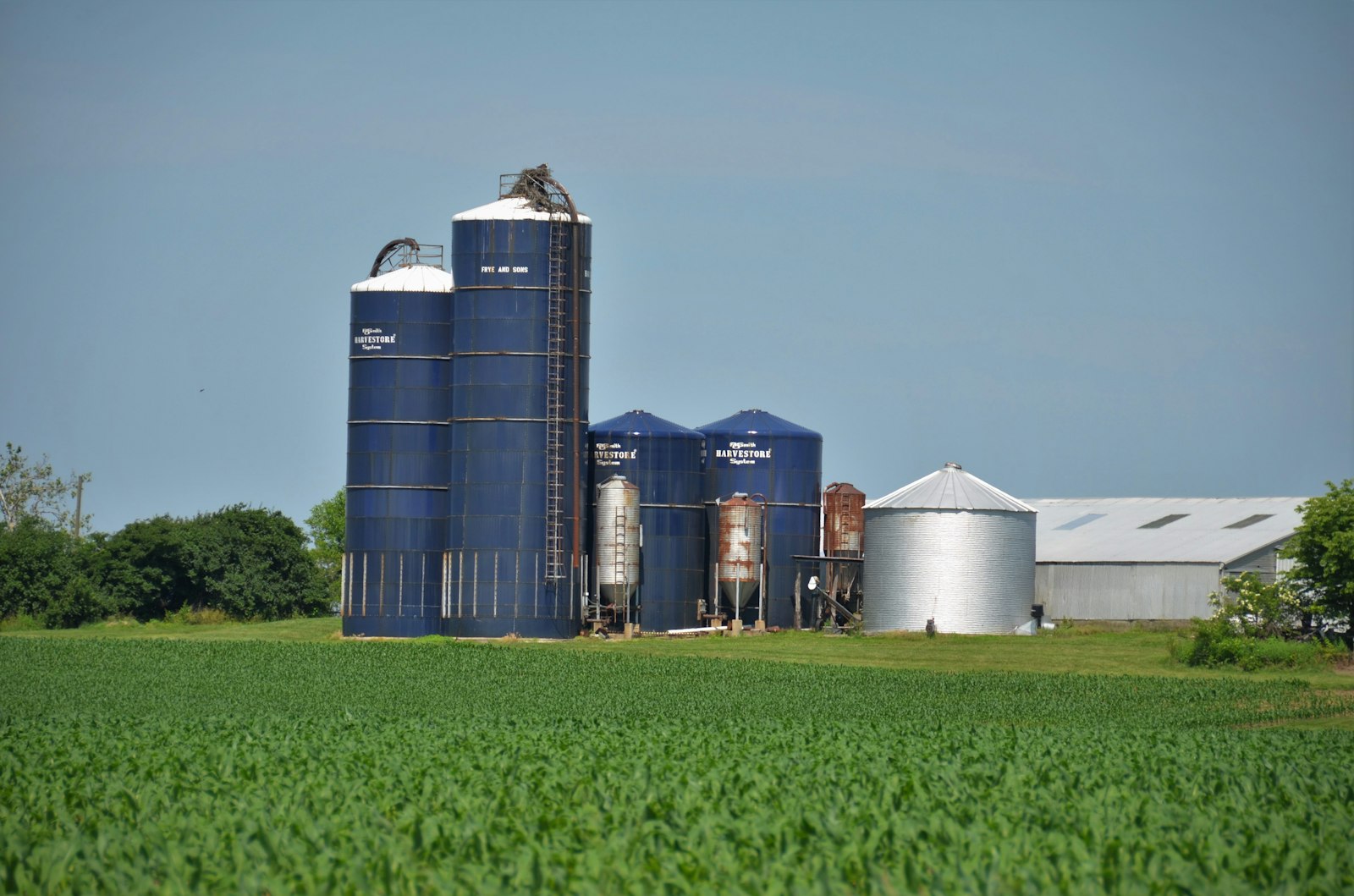
The core economic case for on-farm storage is timing: holding grain past harvest to sell into a better market, rather than selling at harvest-time prices when everyone else is selling too. Whether the math works depends on your typical basis swing between harvest and your target sale window, weighed against the bin’s fixed cost amortized over its working life.
Put a real number on that fixed cost: annual ownership cost, depreciation, interest, repairs, insurance, taxes, typically runs 4 to 10 percent of the bin’s establishment cost per year, according to Mississippi State University Extension’s analysis of on-farm storage economics. At the middle of that range, on-farm storage frequently lands close to or even above the roughly $0.33 per bushel annual cost of renting space at a commercial elevator. That doesn’t mean on-farm storage is a bad deal, it means the case for building has to come from something public storage can’t offer: harvest-window efficiency (your combine doesn’t wait in an elevator line), grain quality control, and the flexibility to sell on your own schedule rather than the elevator’s, not from storage cost alone.
Size against your actual harvest volume and how long you realistically plan to hold grain, not against the biggest bin you can justify financing. An oversized bin sitting half-empty most years is dead capital; an undersized one forces you to sell at harvest regardless of market timing, which defeats the purpose of building storage at all.
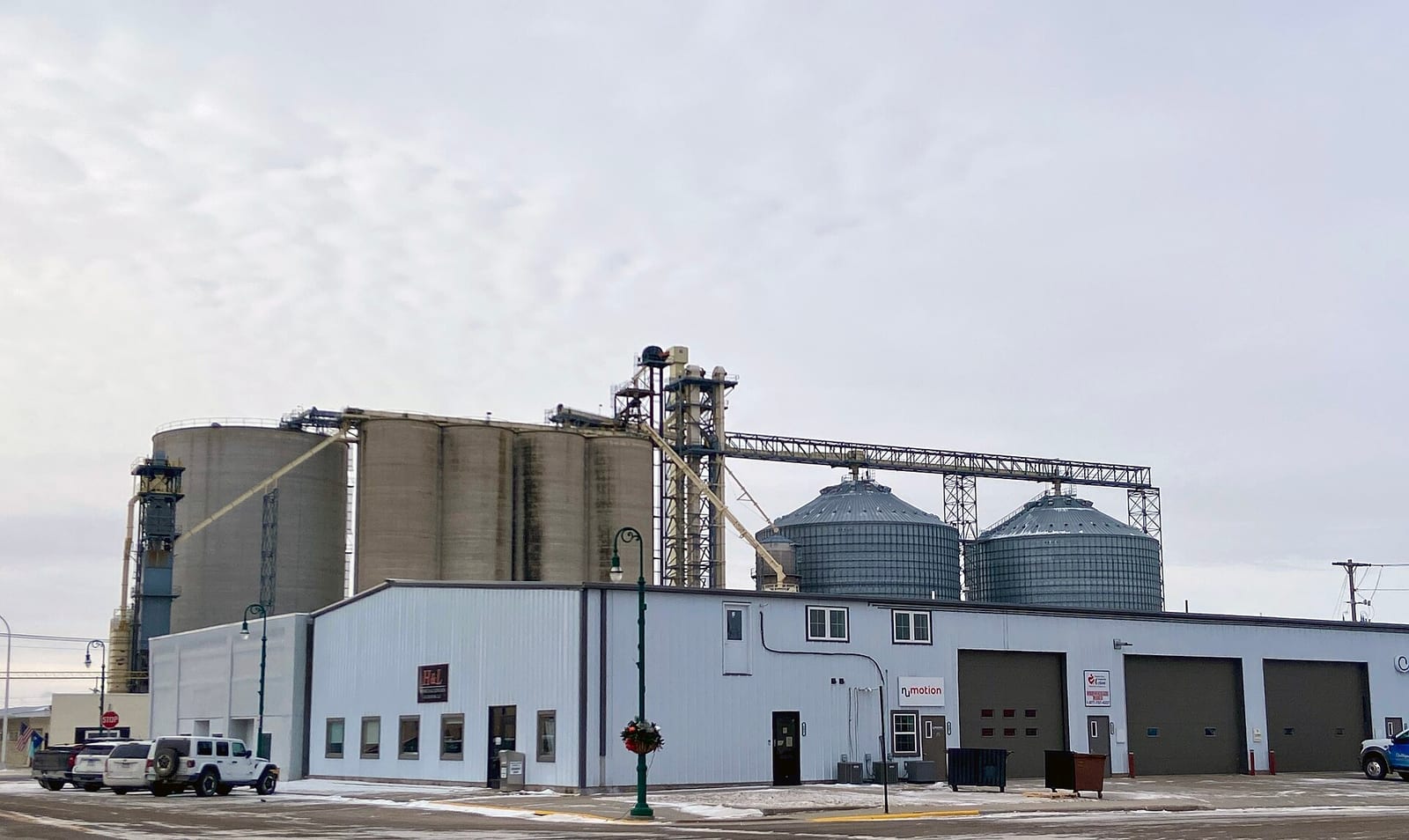
If you’re weighing a taller vertical silo instead of a flat-bottom bin, or storing silage rather than dry grain, see our silo cost page, a related but structurally different building with its own cost drivers.