Self-Storage Building Cost: 2026 Prices by Size and Climate Control
Self-storage facilities cost $250,000 to $3.9 million to build. Real prices by square footage, single-story vs. multi-story, and climate control's real premium.
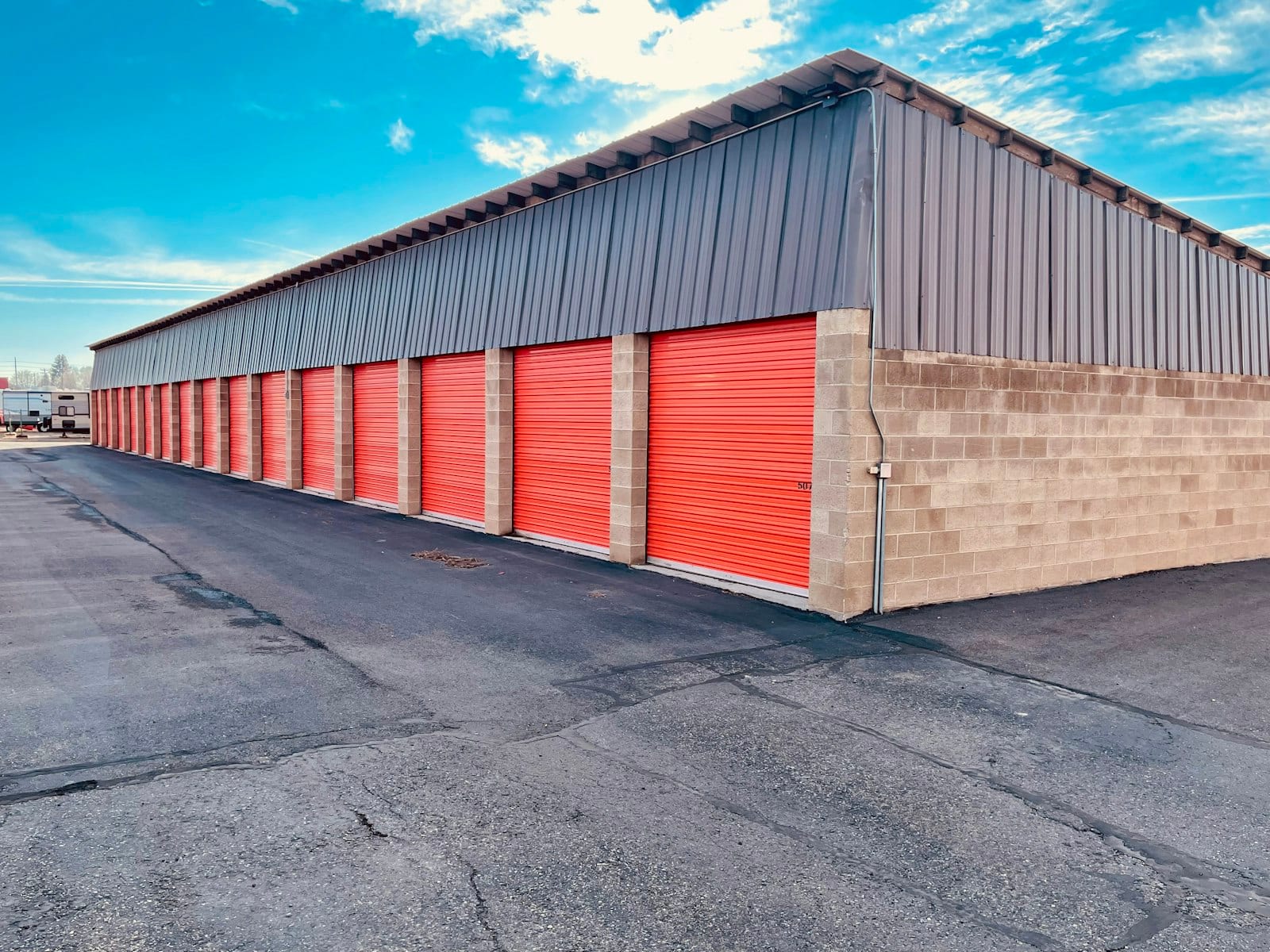
| Size | Sq ft | Shell / kit | Turnkey |
|---|---|---|---|
| 10,000 sq ft facility | 10,000 | $250,000 – $450,000 | $380,000 – $650,000 |
| 20,000 sq ft facility | 20,000 | $450,000 – $800,000 | $700,000 – $1,150,000 |
| 40,000 sq ft facility | 40,000 | $850,000 – $1,500,000 | $1,300,000 – $2,100,000 |
| 80,000 sq ft facility | 80,000 | $1,600,000 – $2,800,000 | $2,400,000 – $3,900,000 |
A self-storage facility costs $250,000 to $2.8 million to build single-story, non-climate-controlled, or up to $3.9 million climate-controlled, depending on total square footage. Building package pricing runs $25 to $45 per square foot non-climate, and $38 to $65 per square foot climate-controlled, before land, permits, and soft costs.
This is a different scale of decision than everything else on this site. A pole barn or carport is a $10,000 to $150,000 purchase; a self-storage facility is a $250,000-plus commercial real estate development, usually financed, usually built by an investor or developer rather than an end user planning to occupy the building themselves. The cost drivers are still knowable and worth understanding before you talk to a lender or a builder.
Self-storage building cost by size
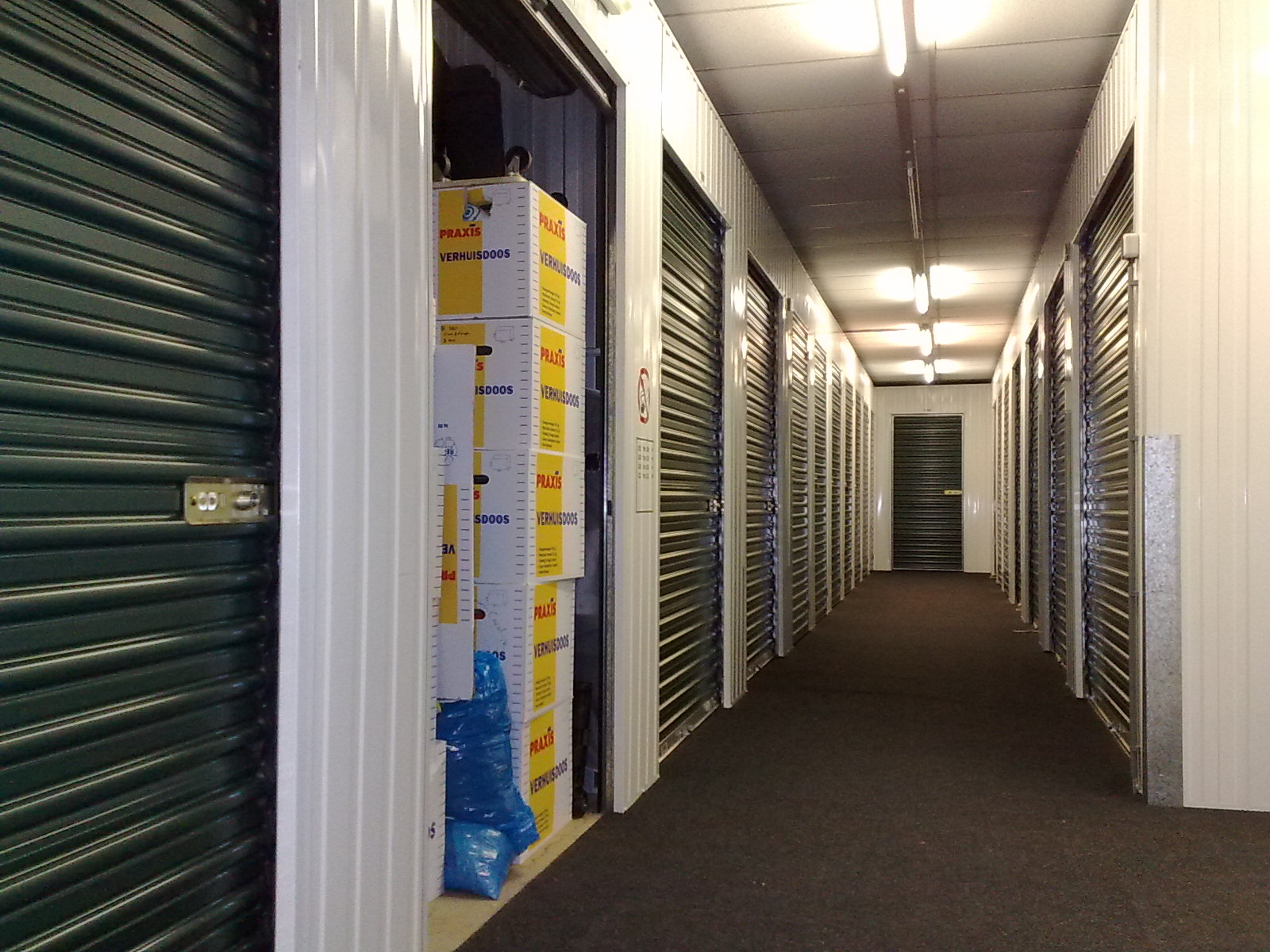
The table above uses total facility square footage, since that’s how storage developers actually think about a project, not width-by-length like a residential building. “Non-climate-controlled” (labeled shell/kit above) covers a standard drive-up facility with simple roll-up unit doors and no HVAC. “Climate-controlled” (labeled turnkey above) adds insulation, HVAC, vapor barrier, and enclosed interior corridors, all single-story figures.
Add roughly 25 to 40 percent on top of these building-package numbers for the full project cost: land acquisition, site development, permits and soft costs, and furniture/fixtures/equipment like gate access systems and security cameras. The numbers in the table are hard construction costs, not total project cost.
Single-story vs. multi-story: the real cost gap
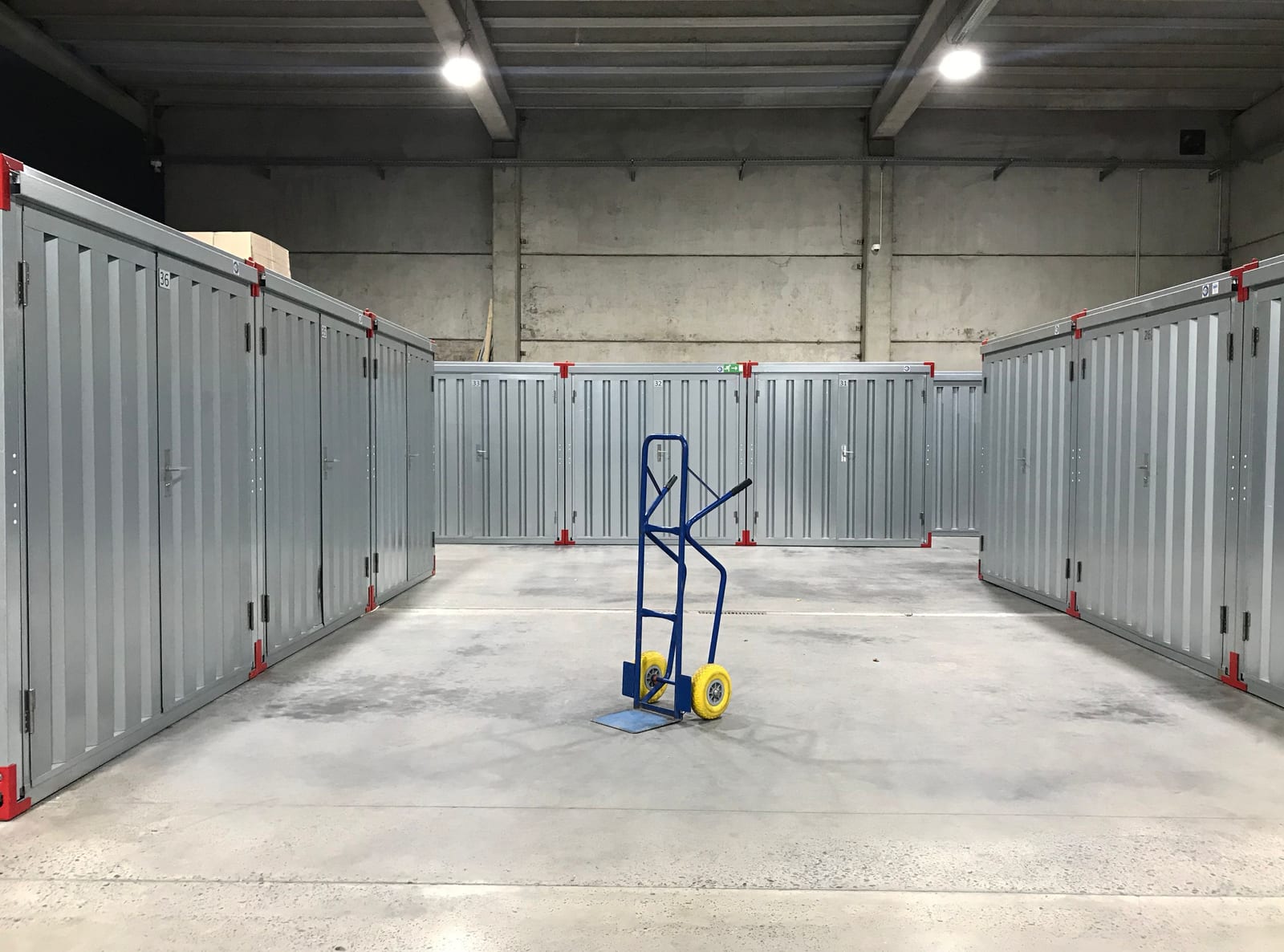
Single-story facilities are simpler structurally, closer in spirit to a large metal building than to a conventional commercial building. Single-story non-climate-controlled runs $25 to $40 per square foot for the building package; single-story climate-controlled runs $80 to $120 per gross square foot all-in (building, HVAC, and finish).
Multi-story climate-controlled facilities run $105 to $170 per gross square foot, a meaningfully higher number driven by structural steel framing for elevated floors, elevator systems, fire suppression required at that occupancy scale, and more complex foundation engineering. Multi-story only pencils out in markets where land cost is high enough that building vertically to get more rentable square footage per acre offsets the higher per-square-foot construction cost, typically dense urban and suburban infill sites rather than rural or exurban land.
If you’re evaluating a specific parcel, run both a single-story and multi-story pro forma before committing. The right answer depends entirely on your land cost per square foot, not on construction cost alone.
Climate control: what it costs and what it’s worth
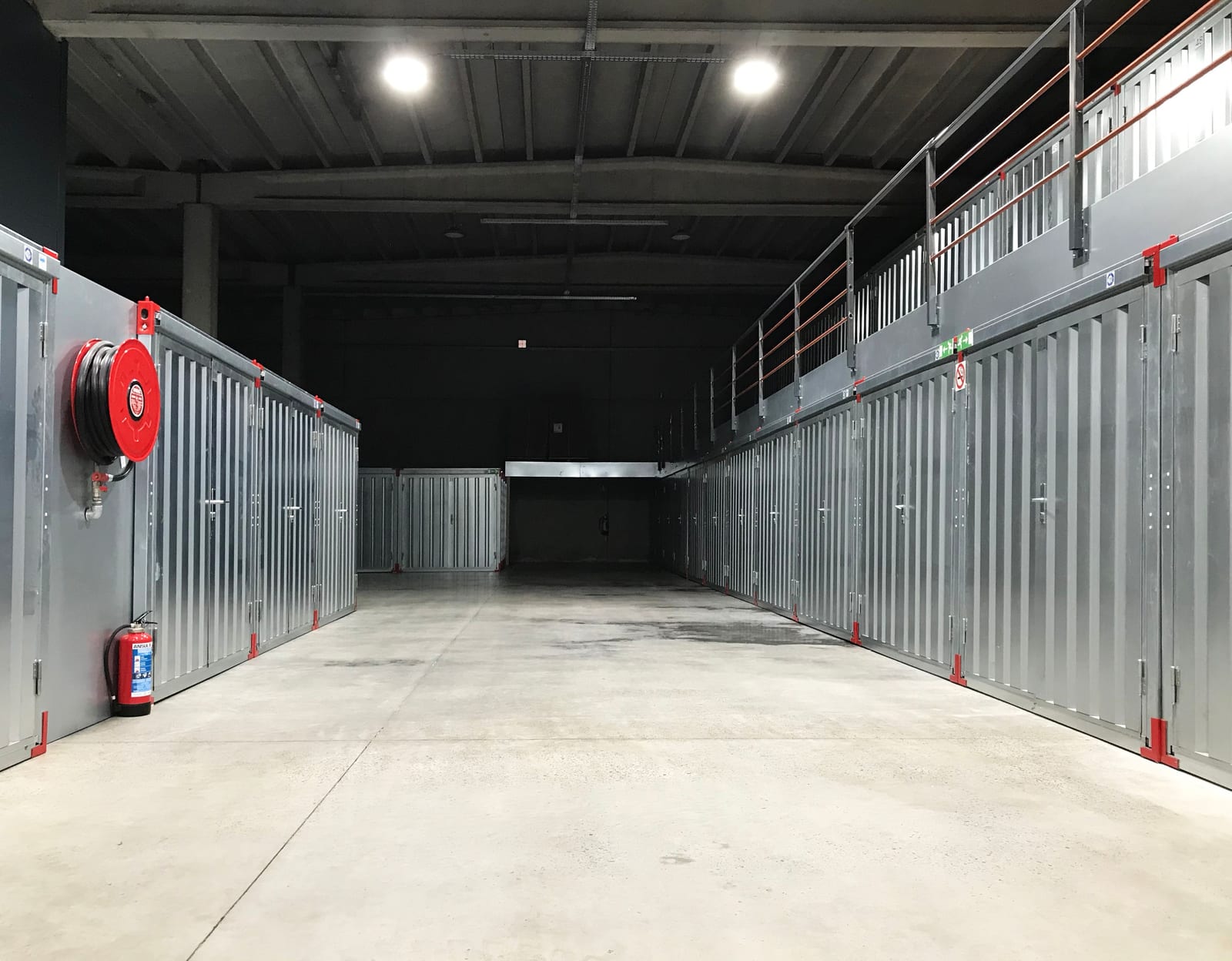
Climate-controlled construction adds roughly 15 percent to the total build cost as a rule of thumb, though the specific premium depends heavily on your climate zone and HVAC system choice. On a per-unit basis, a standard 10x10 unit runs about $1,300 to $1,700 to build non-climate-controlled versus $2,000 to $2,500 climate-controlled, a difference of $700 to $800 per unit before site-wide costs are allocated.
The construction premium is a real cost, but it comes with a real revenue offset: climate-controlled units typically rent for 15 to 35 percent more than equivalent non-climate space in the same market. Whether that premium justifies the added construction cost depends on your local climate (climate control sells better in humid and temperature-extreme markets), your competitive set (if every competitor already offers it, non-climate space becomes harder to fill at any price), and your target tenant (document and electronics storage skews heavily toward climate-controlled demand; furniture and general household goods less so).
Who actually builds these, and what changed in the industry recently
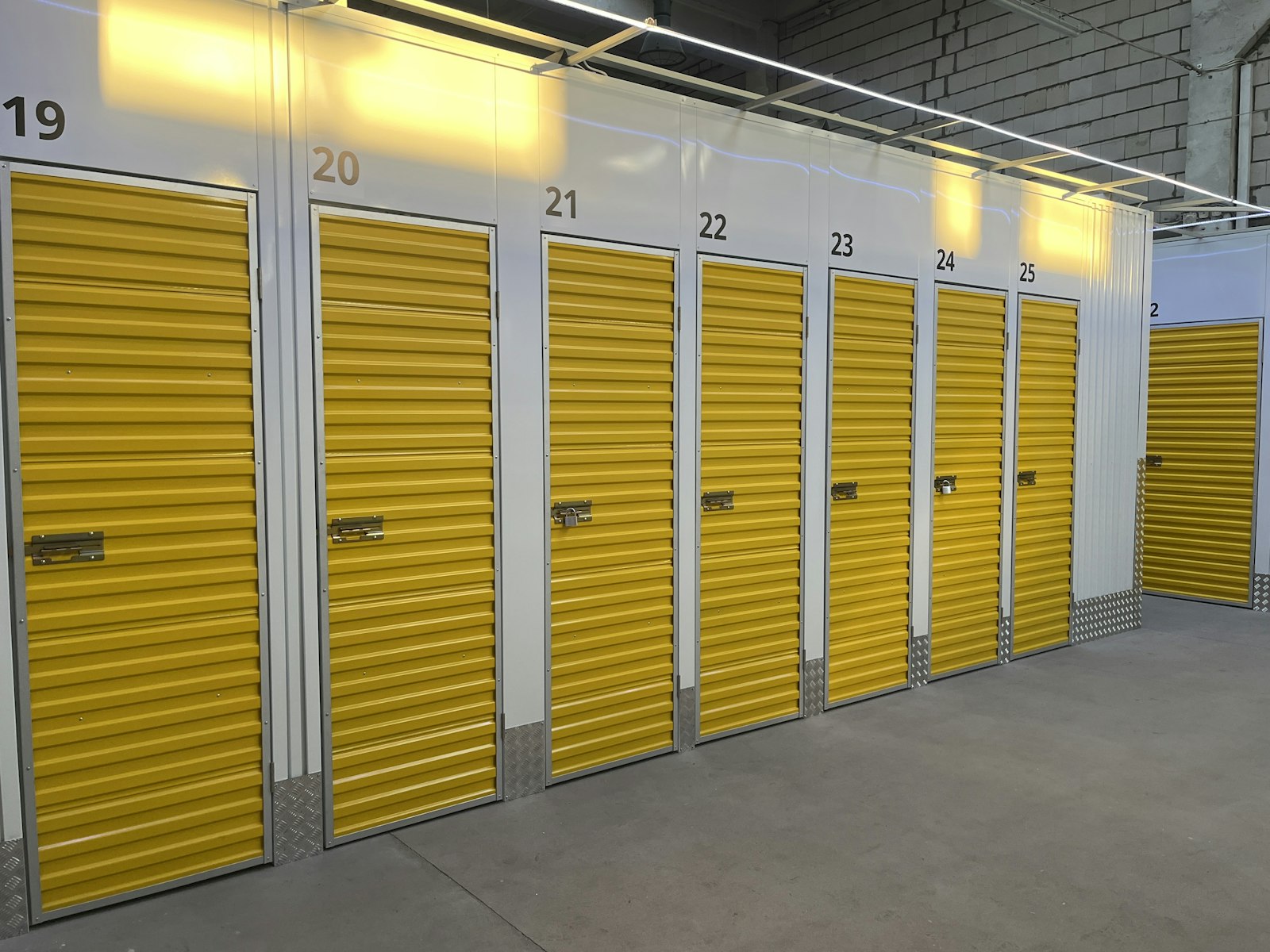
The self-storage construction market is served by a smaller set of specialists than the residential building types on this site, since the buyer is a developer rather than a homeowner. Trachte, founded in 1901 and employee-owned, is one of the longest-running players, manufacturing prefabricated self-storage buildings and steel curtain doors from plants in Wisconsin and Alabama.
In March 2025, Trachte acquired MakoRabco (the merged Mako Steel and Rabco Solutions brand), consolidating two major self-storage design-and-build specialists under one company. If you’ve seen “Mako Steel” referenced in older industry material, that brand now operates as MakoRabco, a Trachte subsidiary. Janus International is the industry’s dominant supplier for roll-up doors and hallway systems specifically, worth talking to directly if you’re sourcing door and access hardware separately from your building shell.
What to nail down before you commit to a facility
Confirm whether a quote is building-package cost or all-in project cost. The gap, 25 to 40 percent, is exactly the kind of thing that turns a promising pro forma into an underwater one if it’s missed.
Ask what climate zone assumptions the HVAC sizing is based on, and whether that matches your actual site. Oversizing wastes capital; undersizing means tenant complaints and higher operating costs for the life of the building.
Get a real feasibility study on local rental rates and occupancy before finalizing size and climate-control mix. Construction cost is only half of a self-storage pro forma; the other half is whether your market will actually pay the climate-controlled premium your development plan assumes.
Run a rough size through the cost calculator to sanity-check a builder’s number, but treat any facility-scale estimate as a starting point for real due diligence, not a substitute for it.