Steel Building Cost: 2026 Commercial Prices by Size
Steel buildings run $36,000 to $360,000 for commercial red-iron construction. Real prices by size, red iron vs. light gauge, and what clear-span actually costs.
Welding structural steel frames. Footage: Mixkit Free License.
| Size | Sq ft | Shell / kit | Turnkey |
|---|---|---|---|
| 40×60 (2,400 sq ft) | 2,400 | $36,000 – $60,000 | $72,000 – $192,000 |
| 40×80 (3,200 sq ft) | 3,200 | $48,000 – $80,000 | $96,000 – $250,000 |
| 50×100 (5,000 sq ft) | 5,000 | $75,000 – $125,000 | $150,000 – $340,000 |
| 60×100 (6,000 sq ft) | 6,000 | $90,000 – $150,000 | $180,000 – $400,000 |
| 60×150 (9,000 sq ft) | 9,000 | $135,000 – $225,000 | $270,000 – $550,000 |
A commercial steel building costs $36,000 to $225,000 for the kit alone, or $72,000 to $550,000 turnkey, depending on size and how finished the interior is. A 40x60 building, a common small-commercial footprint, typically runs $72,000 to $192,000 fully built out. Larger clear-span buildings, 60x100 and up, scale from there.
“Steel building” in a commercial context usually means something different from a residential metal building kit. It means red iron construction: hot-rolled structural steel columns and rafters, engineered to a stamped specification, built to clear-span 40, 60, even 100-plus feet without interior support columns. That’s the building type behind most warehouses, shops, and commercial spaces, and it costs more per square foot than a light-gauge residential kit for a real reason: the steel itself is heavier and the engineering is certified.
Steel building cost by size, commercial scale
The table above uses sizes that actually show up in commercial and light-industrial projects, 40x60 up through 60x150, rather than the smaller residential sizes covered on our metal building cost page. Shell/kit is structural steel plus panels, no slab, no labor. Turnkey spans a wide range here because commercial buildout, office space, restrooms, HVAC, electrical to code, varies enormously by intended use.
One real breakdown for a 40x60: shell package around $40,800, concrete slab foundation around $14,400, and construction/erection around $18,000, landing the installed total near $57,600 to $91,200 for a basic version with no interior finish. Add real commercial finish-out, and the same building can run past $190,000.
Frame type is the single biggest driver of shell cost. Red iron framing runs $22 to $35 per square foot for materials. Light gauge tubular steel, cold-formed rather than hot-rolled, is adequate for smaller spans and non-commercial use and runs $12 to $18 per square foot. If your project needs a stamped engineer’s certification for permitting, and most commercial buildings do, you’re very likely looking at red iron regardless of what a cheaper online kit quote implies.
Add labor and erection to either frame type and installed shell pricing runs $24 to $43 per square foot, still with no slab or interior finish included. Bigger is cheaper per square foot here too: site work and foundation costs don’t scale linearly with floor area, so a 60x150 building spreads those fixed costs over a lot more square footage than a 40x60 does.
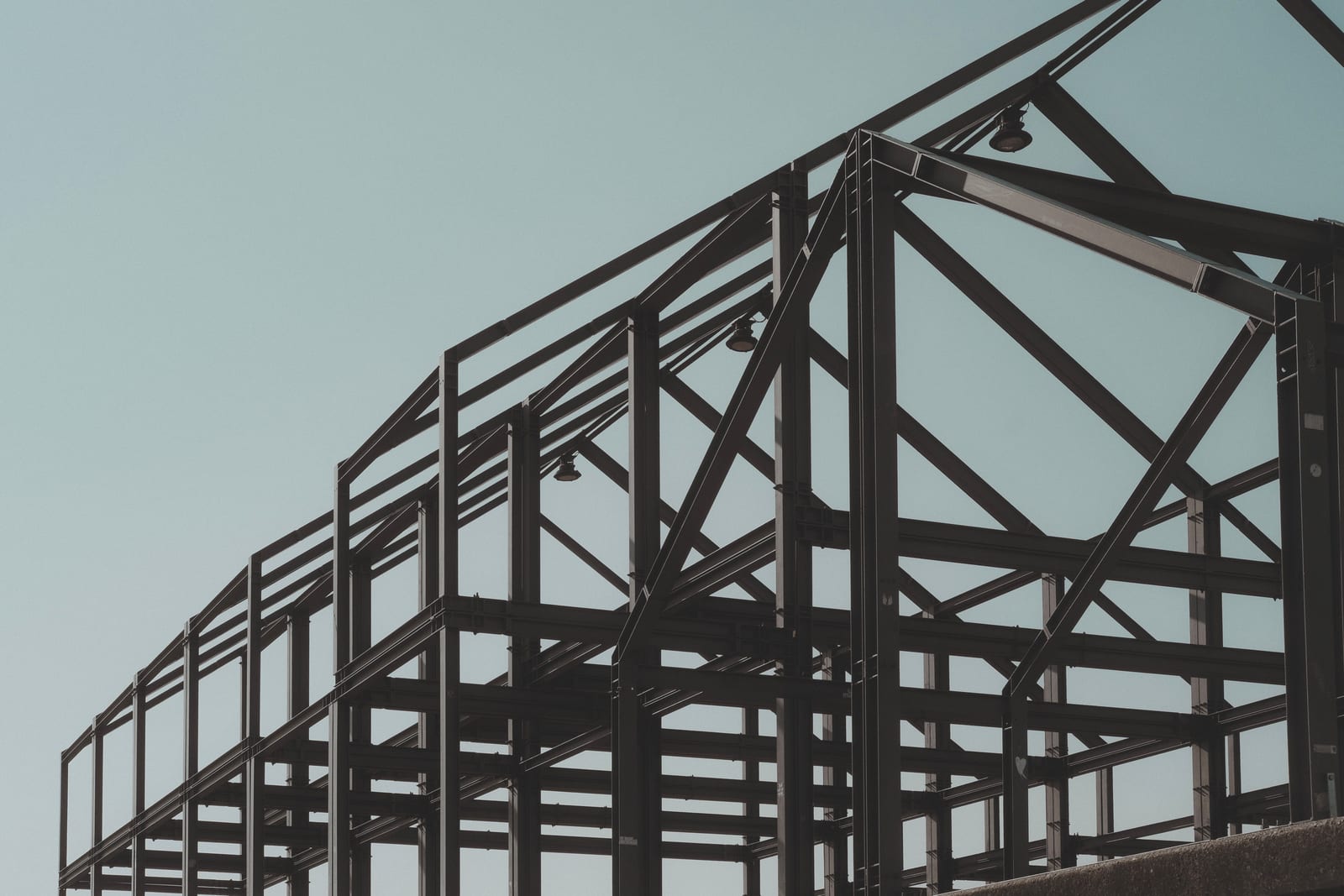
Steel building prices: why the same footprint quotes so differently
Two “steel building prices” for the identical 40x60 footprint can land $100,000 apart, and it’s rarely a scam, it’s a scope difference. A bare kit quote, a shell-plus-slab quote, and a full commercial buildout quote are three different products wearing the same name. Before you take a price to a lender or a business partner as “the cost,” confirm which of the three you’re actually holding.
The low end of that range is a kit with no labor, foundation, or finishes attached. The high end is a fully built-out commercial space with HVAC, restrooms, and office build-out on a finished slab. Once you price out a real turnkey project, the steel itself is often the smallest line item on the invoice.
Red iron vs. light gauge: which one you actually need
Red iron is the right call when you need a wide clear span with no interior columns, when local commercial building code requires a stamped engineer’s certification (most jurisdictions require this above a certain footprint or occupancy type), or when the building needs to carry heavier roof loads from equipment, cranes, or mezzanines.
Light gauge tubular steel works fine for smaller structures, workshops, storage buildings, and anything a homeowner or small business might erect without a general contractor managing the project. It’s cheaper, lighter to ship, and often DIY-erectable, but it tops out at shorter clear spans and lower load ratings.
A lot of confusion in steel building pricing comes from comparing a light-gauge residential quote against a red-iron commercial quote as if they were the same product. They’re not, and the price difference reflects a real engineering difference, not just markup.
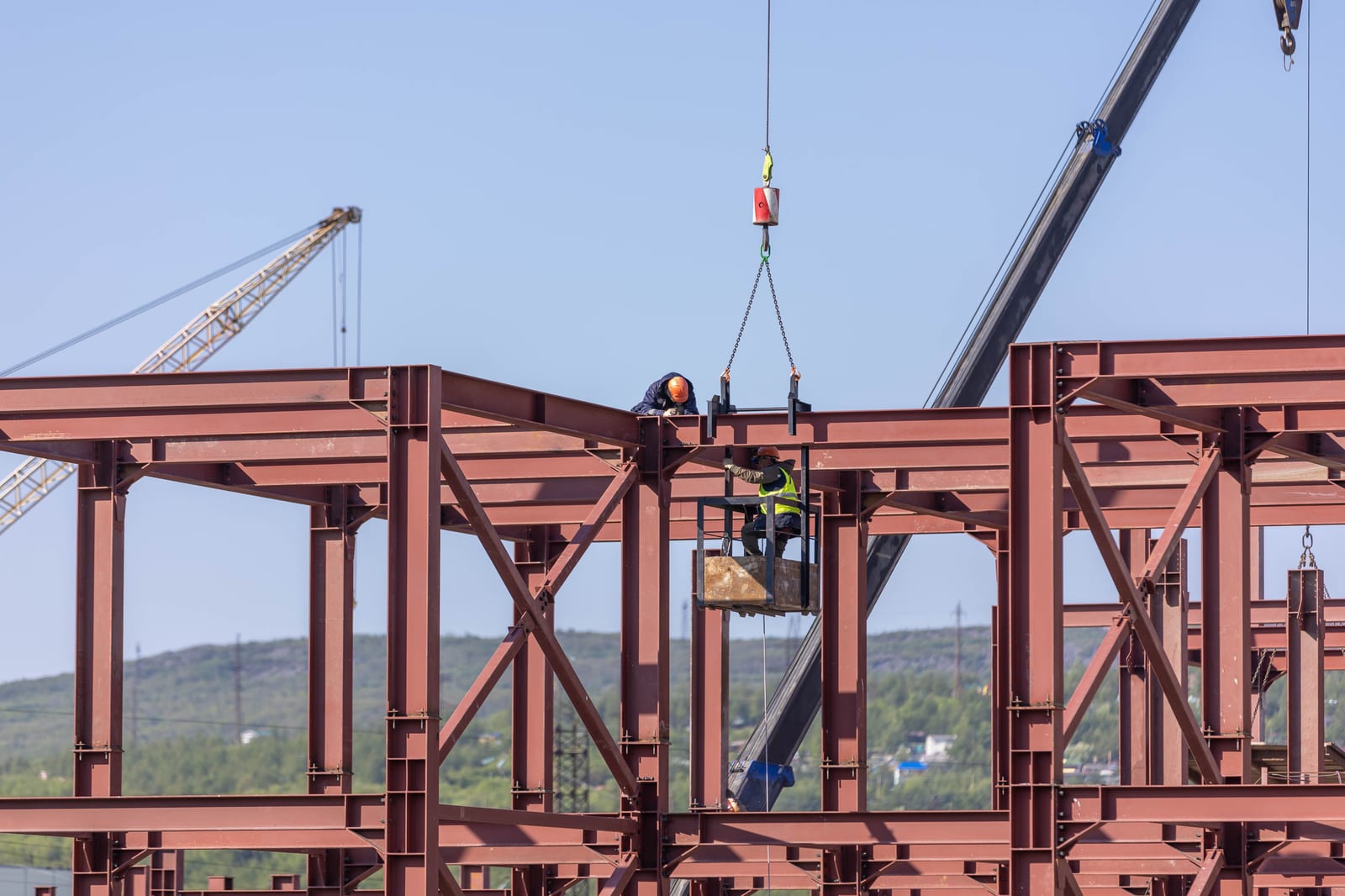
What actually drives commercial steel building cost
Clear span width. A building that needs to be column-free across its full width, common for warehouses, indoor arenas, and aircraft hangars, needs heavier rafters and more steel than one where interior support columns are acceptable. Every extra 20 feet of clear span adds real cost.
Roof and wind load rating. Commercial buildings get engineered to the same regional snow and wind load standards as residential ones, and a building in a high-load zone costs more in steel weight regardless of footprint.
Foundation complexity. A 60x100 building’s slab and footings cost far more than a small residential shed’s, both because there’s more square footage and because commercial slabs typically carry heavier point loads at each column base. Get your anchor bolt layout right before the concrete cures. As an Amazon Associate we earn from qualifying purchases.
Interior build-out. This is where the widest swings happen. A bare warehouse shell with a slab and nothing else can be a third the cost of the same footprint finished as office and retail space with HVAC, plumbing, and interior walls.
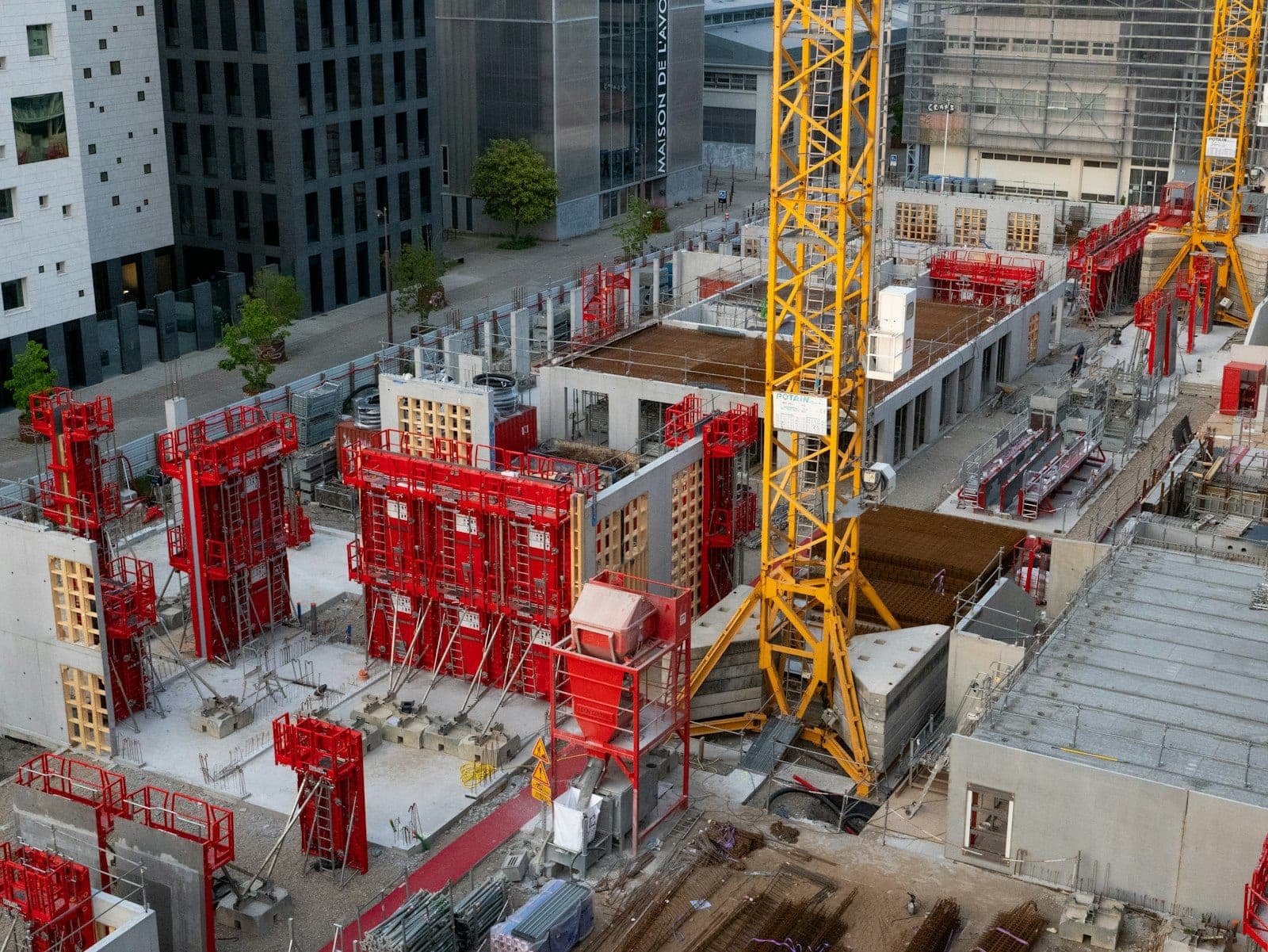
Getting a comparable quote
Ask every bidder to specify frame type (red iron or light gauge) and steel gauge for the panels, in writing. A quote that just says “steel building” without either detail isn’t comparable to one that does.
Confirm whether the quoted price includes the engineer’s stamped drawings your permit office will require. Some kit sellers charge this separately, and it can run $1,500 to $5,000 depending on your state and building complexity.
Ask what the quote assumes for interior finish, specifically. “Turnkey” from one manufacturer can mean a bare insulated shell with a slab; from another, it means office build-out and restrooms. Get the scope in writing before you compare two turnkey numbers as if they mean the same thing.
Run the numbers through the cost calculator before signing anything. It’s built on the same size-based data as the table above, and it’ll tell you fast whether a quote is in a normal range for the frame type and finish level you actually asked for.